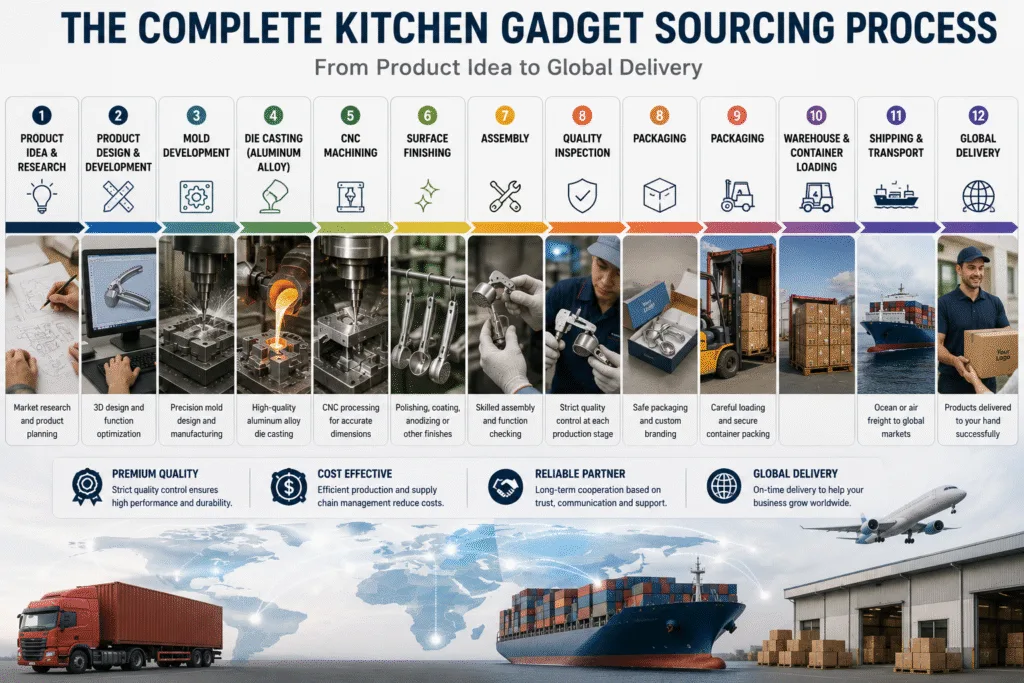
Sourcing kitchen gadgets successfully involves much more than finding the lowest-priced supplier. From selecting the right materials and choosing a reliable manufacturer to managing production, quality control, and international shipping, every step plays a critical role in the success of your product.
Whether you are an importer, wholesaler, retailer, distributor, or private label brand, a structured sourcing process helps reduce risks, improve product quality, and build a more reliable supply chain.
This complete sourcing guide walks you through every stage of the journey—from the initial product idea to final global delivery—helping you make smarter sourcing decisions and establish long-term manufacturing partnerships.
Step 1: Define Your Product Requirements
Every successful sourcing project begins with a clear product specification.
Before contacting manufacturers, determine:
- Product function
- Dimensions
- Material preferences
- Surface finish
- Color options
- Logo requirements
- Packaging style
- Target price
- Target market
A detailed product specification minimizes misunderstandings and improves quotation accuracy.
Step 2: Choose the Right Manufacturing Partner
Selecting the right manufacturer is one of the most important decisions in the sourcing process.
Evaluate suppliers based on:
- Manufacturing experience
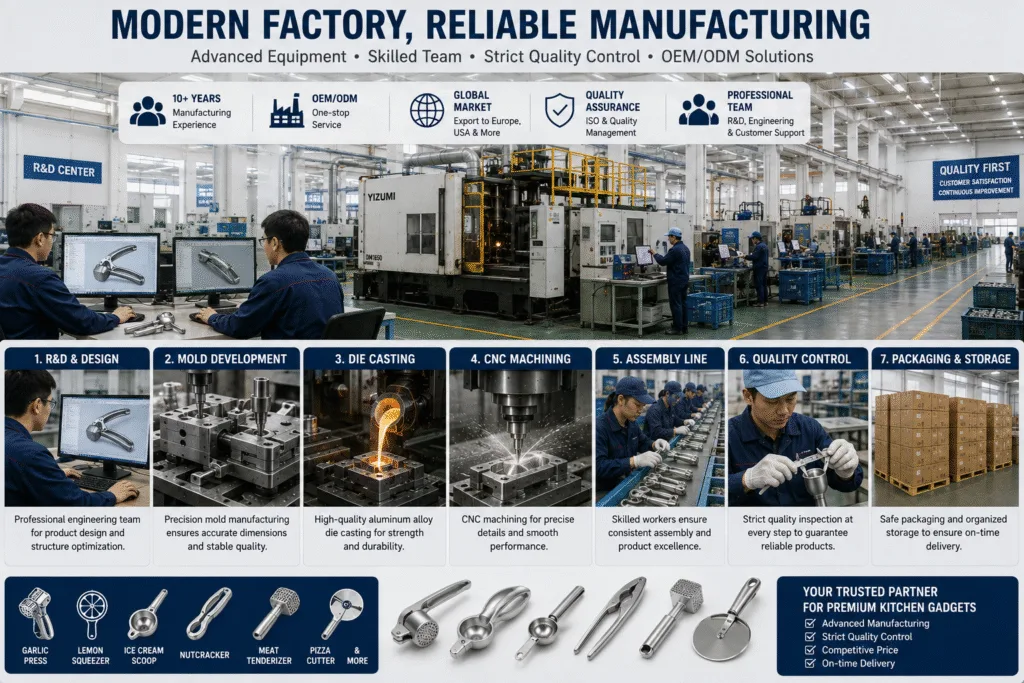
- Factory capabilities
- OEM/ODM support
- Quality management system
- Production capacity
- Export experience
- Customer service
- Industry certifications
A reliable manufacturing partner contributes to better product quality, stable lead times, and long-term business success.
Step 3: Select the Best Material
The material you choose directly affects product quality, durability, appearance, and manufacturing cost.
Common materials include:
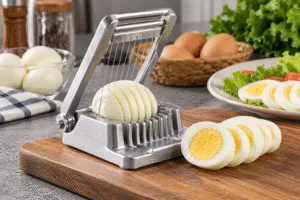
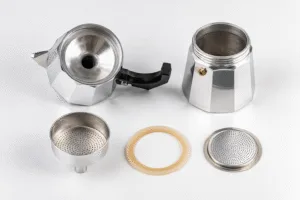
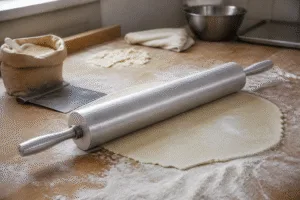
Aluminum Alloy
Ideal for:
- Garlic presses
- Lemon squeezers
- Ice cream scoops
- Nutcrackers
- Meat tenderizers
Advantages:
- Lightweight
- Durable
- Excellent die-casting performance
- Premium appearance
Stainless Steel
Best for:
- Pizza cutters
- Peelers
- Graters
- Whisks
- Kitchen scissors
Advantages:
- Corrosion resistance
- High strength
- Food safety
Food-Grade Plastic
Suitable for:
- Measuring cups
- Measuring spoons
- Storage accessories
Advantages:
- Low cost
- Lightweight
- High production efficiency
Choosing the right material depends on product application and customer expectations.
Step 4: Decide on OEM or Private Label
Different businesses have different branding goals.
OEM Manufacturing
OEM allows buyers to customize:
- Product structure
- Dimensions
- Materials
- Colors
- Packaging
- Logo
Suitable for brands developing unique products.
Private Label
Private labeling uses existing product designs with customized branding.
Advantages include:
- Lower tooling costs
- Faster production
- Reduced development risk
The best option depends on your budget, timeline, and market strategy.
Step 5: Review Samples Carefully
Never begin mass production without sample approval.
Inspect samples for:
- Dimensions
- Surface finish
- Functionality
- Packaging
- Logo accuracy
- User experience
A carefully approved sample becomes the production standard for future manufacturing.
Step 6: Understand MOQ and Pricing
Minimum Order Quantity (MOQ) affects both production efficiency and unit cost.
When evaluating quotations, consider:
- Unit price
- Tooling cost
- Packaging cost
- Shipping cost
- Quality control expenses
Balancing MOQ with inventory planning helps optimize overall sourcing costs.
Step 7: Confirm Production Lead Time
Production schedules should be agreed upon before placing an order.
Lead time typically depends on:
- Product complexity
- Order quantity
- Mold development
- Raw material availability
- Production capacity
- Seasonal demand
Early planning helps avoid unnecessary delays.
Step 8: Monitor Production Progress
Communication during manufacturing is essential.
Maintain regular updates regarding:
- Material preparation
- Production schedule
- Assembly progress
- Quality inspections
- Packaging status
- Shipping arrangements
Transparent communication reduces risks throughout production.
Step 9: Perform Quality Inspection
Quality should be monitored throughout manufacturing—not only before shipment.
Typical inspections include:
Incoming Material Inspection
Checking raw materials before production.
In-Process Inspection
Monitoring manufacturing quality during production.
Final Inspection
Verifying completed products before packaging.
Pre-Shipment Inspection
Confirming shipment quality before export.
A structured quality control system protects both buyers and manufacturers.
Step 10: Optimize Packaging
Packaging should balance protection, presentation, and logistics efficiency.
Good packaging should:
- Prevent transportation damage
- Reduce shipping costs
- Support retail branding
- Meet destination market requirements
Well-designed packaging also improves customer satisfaction.
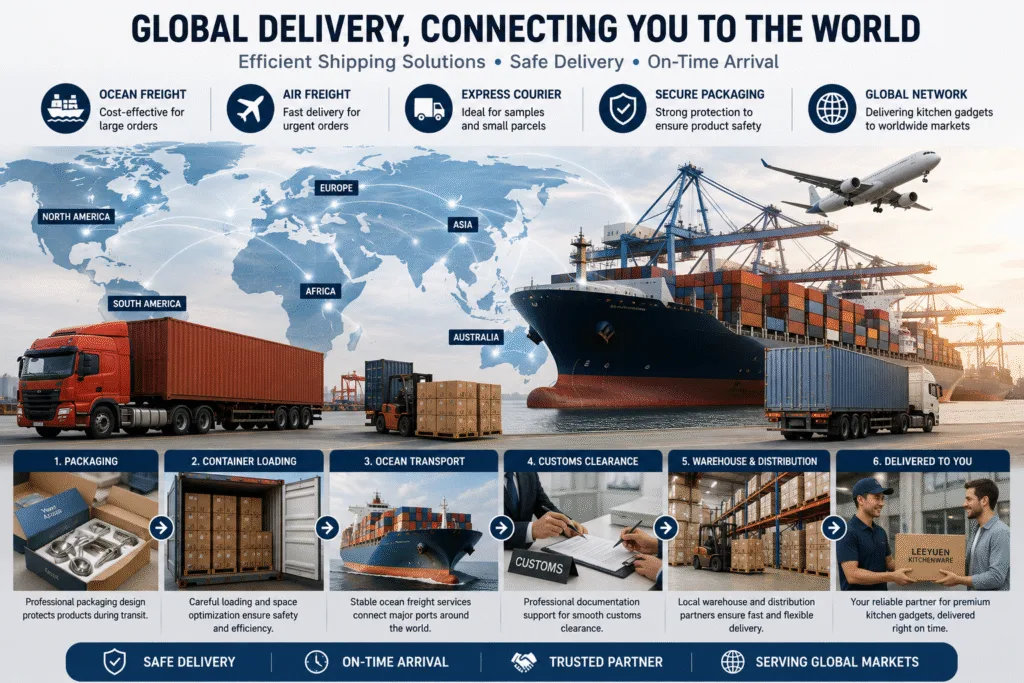
Step 11: Arrange International Shipping
After production is completed, products are prepared for export.
Typical shipping methods include:
Ocean Freight
Best for:
- Large orders
- Lower transportation costs
Air Freight
Best for:
- Urgent deliveries
- Smaller shipments
Express Courier
Suitable for:
- Samples
- Small replacement orders
Choosing the appropriate shipping method helps control logistics expenses.
Step 12: Build Long-Term Supplier Relationships
Successful sourcing is built on long-term cooperation rather than one-time transactions.
Long-term partnerships often provide:
- Better pricing
- Stable production schedules
- Priority manufacturing
- Faster problem solving
- Continuous product improvements
- Stronger communication
Reliable manufacturers become valuable strategic partners as your business grows.
Common Sourcing Mistakes
Many sourcing problems are avoidable.
Common mistakes include:
- Choosing suppliers based only on price.
- Ignoring quality inspection.
- Approving samples too quickly.
- Ordering unrealistic quantities.
- Poor communication.
- Incomplete product specifications.
- Waiting too long to place seasonal orders.
Learning from these mistakes improves sourcing efficiency and reduces business risk.
Best Practices for Successful Kitchen Gadget Sourcing
Professional buyers typically follow these principles:
- Clearly define product specifications.
- Choose experienced manufacturers.
- Focus on long-term quality rather than lowest price.
- Approve production samples carefully.
- Plan production schedules early.
- Conduct quality inspections.
- Optimize packaging and logistics.
- Build long-term supplier partnerships.
Following a systematic sourcing process creates more predictable business results.
FAQ
How long does the complete sourcing process usually take?
The total sourcing timeline depends on product complexity, tooling requirements, order quantity, and shipping method. Projects involving OEM customization generally require more time than standard products.
Should I choose the lowest quotation?
Not necessarily. The lowest price may result in higher costs later due to poor quality, production delays, or additional inspections. Evaluating total sourcing value is often a better strategy.
Is quality inspection necessary for every order?
Yes. Consistent quality inspections help reduce defects, maintain product standards, and protect your brand reputation.
What is the biggest challenge in international sourcing?
Maintaining clear communication, managing production schedules, ensuring consistent quality, and coordinating logistics are among the most important challenges.