The kitchen wholesale business is changing quickly. More modular kitchen wholesalers are entering the market, and traditional kitchen wholesalers are seeing new competition. This article explains why modular design is becoming a new wholesale trend. We will look at the reasons for this change and what it means for the industry.
Understanding the Basic Difference: Modular vs. Traditional Kitchen Wholesalers
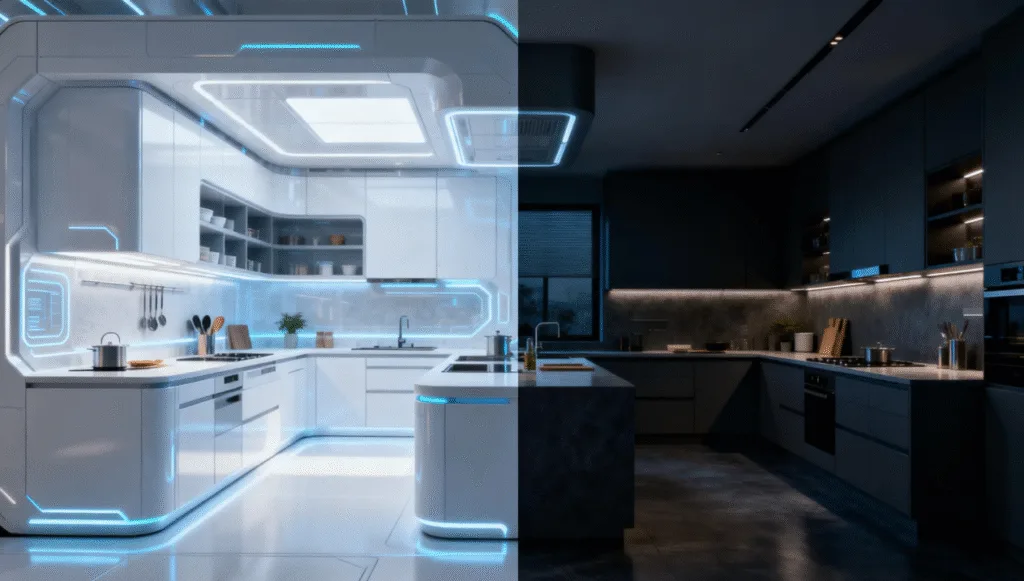
First, it is important to understand what each type of wholesaler does. A traditional kitchen wholesaler typically deals in individual components. They supply separate items like solid wood cabinets, countertops, and shelves. These parts are often made to order for specific projects. The installation is usually done on-site by carpenters. This process can take many weeks or even months. The final product is fixed and difficult to change later. In contrast, a modular kitchen wholesaler supplies complete pre-made units. These units, or modules, are made in a factory. They include cabinets, drawers, and shelves designed to fit together. A key advantage of the modular kitchen supply business is speed. The modules are assembled quickly in the customer’s kitchen. Installation often takes only a few days. This efficiency is a major selling point for modular kitchen suppliers. The main difference lies in the product and the process. Traditional wholesalers offer custom parts for long, on-site builds. Modular kitchen wholesalers offer factory-made units for fast, flexible installation.
The Growing Demand for Modular Kitchens: A Driver for Wholesalers
The market for modular kitchens is expanding. This growth is a primary reason for the rise of the modular kitchen wholesaler. Several factors are driving this demand. One factor is changing lifestyles. Today, people have less time. They want quick solutions for their homes. The fast installation of modular kitchens is very attractive. Furthermore, urban living spaces are often smaller. Modular kitchens are famous for their smart space-saving designs. They make excellent use of limited space. Consumer tastes have also become more modern. Many people now prefer sleek, contemporary designs. They see the kitchen as a showpiece for their home. The modern look of modular kitchens appeals to this trend. Social media and home design shows have also had an influence. They showcase beautiful, organized modular kitchens. This exposure encourages people to want similar kitchens in their own homes. The global modular kitchen market was valued at USD 39.0 Billion in 2024. It is forecast to reach USD 54.5 Billion by 2033 . This strong growth creates a huge opportunity for a modular kitchen wholesaler. As demand increases, so does the need for businesses that can supply these products efficiently.
Key Advantages of the Modular Kitchen Wholesale Model
The business model of a modular kitchen wholesaler has several inherent advantages over the traditional model. These benefits explain why the wholesale trend is shifting.
1.Cost-Efficiency and Predictable Pricing
Cost is a major factor. The modular kitchen wholesale business can often offer more predictable pricing. Because the modules are made in large quantities in a factory, the cost per unit is lower. This is called economies of scale. The modular kitchen supplier can pass some of these savings to the customer. While the initial cost of a modular kitchen can be high, it is often more affordable than a fully custom traditional kitchen. For the wholesaler, manufacturing is more efficient. There is less waste of materials because production is controlled in a factory. This efficiency helps the modular kitchen wholesaler maintain better profit margins. It also allows for more stable and transparent pricing for buyers .
2.Simplified Supply Chain and Logistics
Logistics are simpler for a modular kitchen wholesaler. They produce and ship complete units. This is different from a traditional wholesaler who must coordinate many different custom parts from various sources. A streamlined supply chain means fewer delays. It is easier for a modular kitchen supplier to manage inventory and fulfill orders. This reliability builds trust with retailers and builders. They know they can get the products they need on time .
3.Customization at Scale
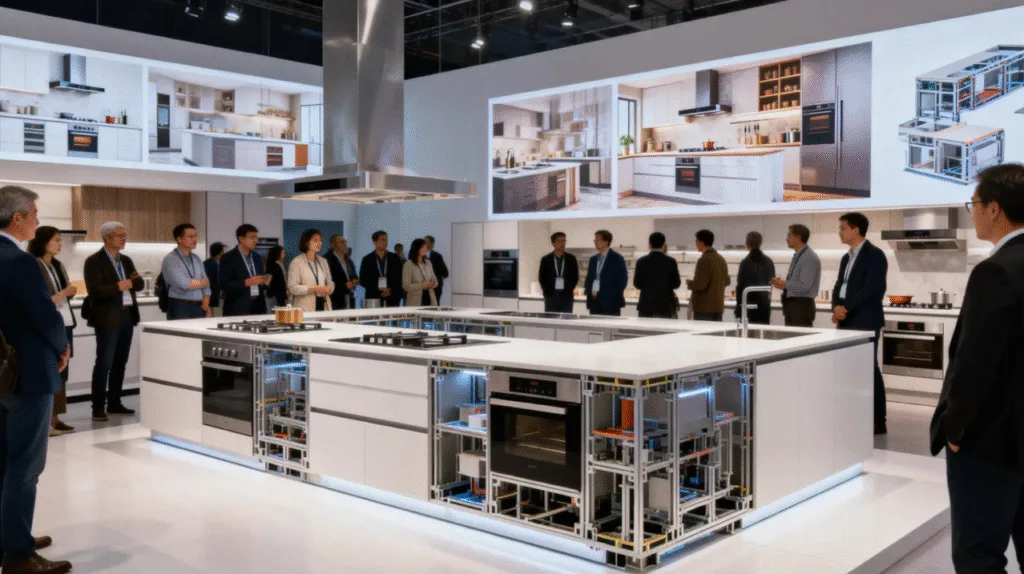
Some people think modular kitchens lack customization. This is not entirely true. A modern modular kitchen wholesaler offers many choices. Customers can choose from different finishes, colors, and layouts. For example, L-shape and U-shape designs are very popular. The difference is that customization happens within a set system. The modular kitchen wholesaler offers a catalog of compatible parts. This approach allows for personalization without the high cost and long time of full custom work. This balance of choice and efficiency is a key advantage for the modular kitchen supply chain .
The Challenges Faced by Traditional Kitchen Wholesalers
Traditional kitchen wholesalers are facing pressure from the rise of modular options. Their model has some difficulties in today’s market.
One challenge is time. Traditional kitchens take a long time to build and install. Many modern customers are not willing to wait for months. They want a faster solution. This gives an edge to the modular kitchen wholesaler. Another challenge is cost uncertainty. The cost of a traditional kitchen can change during the project. The price of materials might go up. The project might need more labor than expected. This makes the final price less predictable. The transparent pricing of a modular kitchen supplier is often more appealing .
Furthermore, traditional kitchens often do not use space as well as modular ones. Modular designs are made specifically for optimal storage in small areas. This focus on smart storage is a major selling point that traditional wholesalers struggle to match .
Why Modular Kitchen Wholesalers are Focusing on Sustainability
Another trend helping modular kitchen wholesalers is sustainability. People are becoming more environmentally conscious. They want products that are eco-friendly. The factory production of modular kitchens creates less waste. Materials are used more efficiently. Many modular kitchen wholesalers are now using sustainable materials. These include recycled wood, bamboo, and eco-friendly laminates. This focus on green manufacturing is good for the planet. It is also good for business. It appeals to a growing group of eco-conscious consumers. This gives the modular kitchen supplier another advantage over traditional models, which can generate more waste on-site.
The Future of Wholesale: Smart Technology and Modular Kitchens
The future looks bright for modular kitchen wholesalers, especially with smart technology. Modern kitchens are becoming more connected. They have smart appliances like Wi-Fi-enabled ovens and refrigerators. It is easier to integrate these technologies into factory-made modules. A modular kitchen wholesaler can partner with appliance makers. They can build these technologies directly into the kitchen units. This creates a seamless “smart kitchen” experience for the customer. Traditional kitchens can also add smart technology, but it is often more complex and expensive to do so on-site. The ability to easily offer high-tech kitchens is a significant future advantage for the modular kitchen supply business.
The Wholesale Trend is Clearly Shifting
The evidence is clear. The business of kitchen wholesale is moving toward modular design. The modular kitchen wholesaler has important advantages. They offer speed, cost-effectiveness, and smart designs that fit modern life. The strong growth of the modular kitchen market proves this point. Consumers want faster, smarter, and more stylish kitchen solutions. The modular kitchen supplier is perfectly positioned to meet this demand. Traditional kitchen wholesalers will not disappear entirely. There will always be a market for high-end, fully custom work. But for the majority of the market, the trend is obvious. The modular kitchen wholesaler is leading the future of the kitchen wholesale industry. Please contact us if you need anything. Also you can know more about Leeyuen Kitchenware.