Baking is a joyful activity. It brings families together and creates delicious treats. But many bakers do not know about the hidden dangers in their kitchen. Some baking tools and pans contain harmful chemicals. One of these chemicals is Bisphenol A, or BPA. This guide will help you understand what BPA is and why you should avoid it. We will explore the best BPA free baking tools and pans for a healthier kitchen. Using safe, non-toxic bakeware is important for your well-being. It is also better for the environment. This article will provide clear information to help you make smart choices. You will learn about different materials and what to look for when shopping. Our goal is to help you bake in a way that is safe and sustainable.
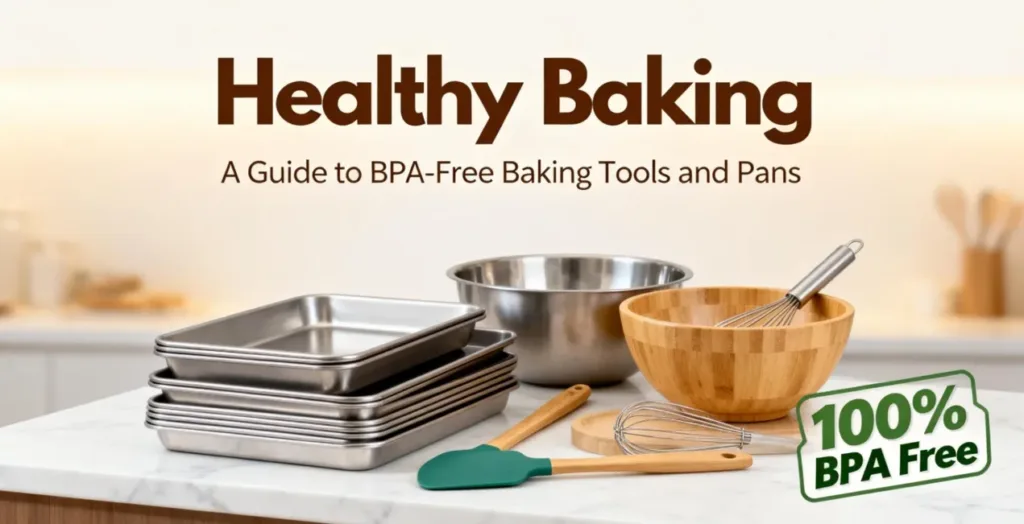
What Does BPA-Free Mean? And Why Does It Matter?
BPA is a chemical used to make certain plastics and resins. You can find it in many consumer products. For a long time, it was common in food containers and water bottles. Many studies now show that BPA is harmful to human health. It can seep into food, especially when heated. This process is called leaching. Exposure to BPA has been linked to several health problems. These include hormonal issues, metabolic disorders, and even some cancers. Children and pregnant women are especially vulnerable. Choosing BPA free baking tools is a critical step to protect your family.
Thankfully, awareness of these risks is growing. Many manufacturers now create products without BPA. When a product is labeled “BPA-Free,” it means it does not contain this chemical. You should look for this label when buying bakeware. But it is also important to check for other harmful substances. Some products might be free from BPA but contain other toxins like PFOA or PTFE. Always look for products that are free from all these chemicals. Opting for BPA free baking tools ensures that no harmful chemicals leach into your food during baking. This is a simple way to make your baking healthier.
Identifying the Best BPA-Free Bakeware Materials
The material of your bakeware is the most important factor. Some materials are naturally safer than others. Here are the best options for BPA free baking tools and pans.
1.Glass
Glass bakeware is a very safe choice. Brands like Pyrex use tempered glass. This glass is strong and resistant to heat. It does not leak chemicals into food. Glass is also non-porous. This means it will not absorb food odors or stains. You can use it in the oven, microwave, and even store food in it. Another advantage is that glass is recyclable. It is an eco-friendly option for your kitchen. Just be careful to avoid chipping or cracking the glass.
2.Ceramic
Ceramic is another excellent material. It distributes heat evenly for consistent baking. Good ceramic bakeware is also free from heavy metals like lead and cadmium. Always check the manufacturer’s information to be sure. Brands like Emile Henry make beautiful ceramic dishes. They are safe for use in high-temperature ovens. You can also use them under the broiler or in the microwave. Ceramic dishes are often stylish enough to go from the oven to the dinner table.
3.Cast Iron
Cast iron is a classic, durable choice. It is naturally free from man-made chemicals. Lodge is a well-known brand for cast iron bakeware. Cast iron pans need to be seasoned with oil. This process creates a natural non-stick surface. It is perfect for baking bread and making casseroles. Cast iron retains heat very well. This helps in baking foods evenly. With proper care, a cast iron pan can last for generations. It is a great investment for healthy baking.
4.Stainless Steel
Stainless steel is a safe and durable material. It is resistant to rust and corrosion. Look for high-quality, food-grade stainless steel. It should be heavy and not warp easily. Stainless steel does not react with acidic foods. This makes it a good choice for many recipes. Brands like Made In offer high-quality stainless steel bakeware. It is important to know that some people may have allergies to nickel in stainless steel. If this is a concern, choose a nickel-free version.
5.Silicone
Silicone bakeware has become very popular. It is flexible and non-stick. Food-grade silicone is generally safe and BPA-free. It is important to buy from reputable brands. High-temperature resistance is a key feature of quality silicone. You can find silicone muffin molds, baking mats, and cake pans. Silicone is also very easy to clean. Most silicone bakeware is dishwasher safe. Always check that the silicone is labeled as food-grade.
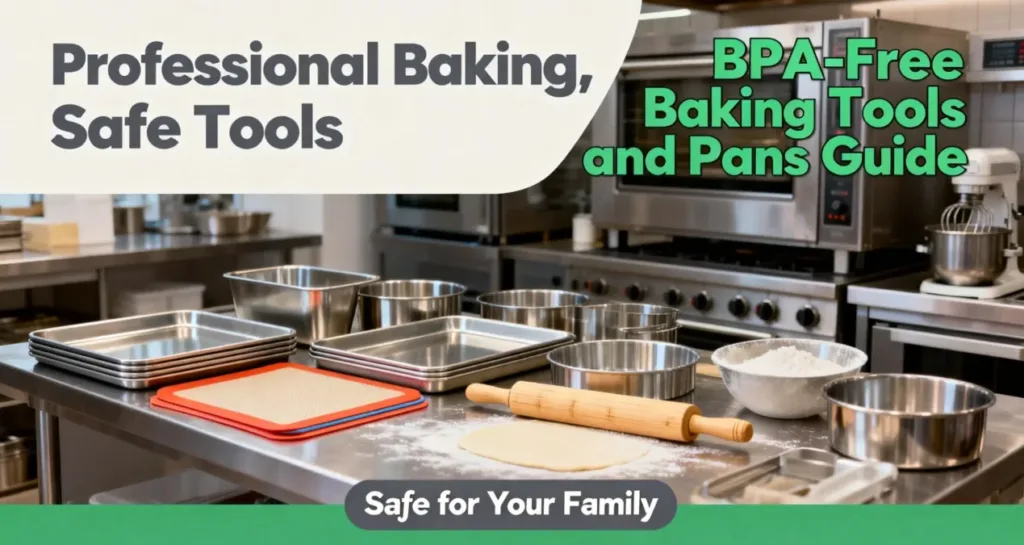
A Closer Look at BPA-Free Baking Tools and Pans
Let us explore some specific types of BPA free baking tools. This will help you choose the right products for your needs.
1.Baking Pans
Loaf pans, cake pans, and cookie sheets are essential. Many safe options are available. For example, the Caraway Non-Stick Ceramic Loaf Pan is a great choice. It is free from PTFE, PFOA, and lead. Its natural non-stick coating makes cleanup easy. Another option is a stainless steel loaf pan from brands like P&P CHEF. These are made from pure stainless steel with no toxic coatings. For cookies, consider the Nordic Ware Natural Aluminum Baking Sheet. It is made from natural aluminum without harmful coatings. USA Pan Bakeware is another brand known for its safe, non-stick coating.
2.Baking Mats and Liners
Parchment paper is often used for lining baking sheets. But reusable options are more eco-friendly. Silpat Premium Non-Stick Silicone Baking Mats are a great example. They are made from food-grade silicone. These mats can be used hundreds of times. They prevent sticking without the need for oils or sprays. Using a silicone mat is a good way to reduce waste. It is a simple change for a greener kitchen.
3.Mixing Bowls and Utensils
Mixing bowls are used for preparing batter and dough. Stainless steel mixing bowls, like those from Great Jones, are a safe choice. They are durable and non-toxic. For utensils, choose silicone or stainless steel. A 6-piece high-temperature kitchen tool set can be very useful. This set includes a spatula, whisk, and other essentials. These tools are made from heat-resistant, BPA-free materials. They are safe for use with non-stick bakeware because they will not scratch the surface.
4.Specialty Bakeware
There are many other baking items to consider. For example, silicone cake molds are safe and flexible. They are perfect for making intricate shapes. Brands like Silpat offer silicone molds that are BPA-free. Another item is a bundt pan for making cakes. Emile Henry makes a beautiful ceramic bundt pan. It is safe and provides even heating. Whatever you need for baking, you can likely find a BPA-free version.
How to Choose and Care for Your BPA-Free Bakeware
Selecting the right bakeware is the first step. Proper care will make it last longer. Here are some tips for choosing and maintaining your BPA free baking tools.
1.What to Look for When Buying
Always read the product description and labels carefully. Look for clear statements like “BPA-Free,” “PFOA-Free,” and “Non-Toxic.” Check the materials used. Glass, ceramic, cast iron, and stainless steel are generally safe. For silicone, ensure it is food-grade. Look for certifications from food safety organizations. The manufacturer’s reputation is also important. Choose brands known for their commitment to safety. Brands like Lodge, Pyrex, and Caraway have good reputations.
2.Proper Cleaning and Maintenance
How you clean your bakeware affects its lifespan and safety. For most bakeware, hand washing with mild soap is best. Avoid using abrasive cleaners or harsh scrubbers. They can damage the surface. For cast iron, never use soap. Instead, clean it with hot water and a brush. Then, dry it thoroughly and apply a thin layer of oil to prevent rust. For ceramic and glass, avoid sudden temperature changes. Do not take a cold glass dish and put it directly into a hot oven. This can cause it to crack. Let it come to room temperature first.
3.When to Replace Bakeware
Even the best bakeware will not last forever. Over time, pans can wear out. Inspect your bakeware regularly. Look for signs of damage. For non-stick pans, if the coating starts to chip or peel, it is time to replace it. Damaged coatings can release particles into your food. For glass or ceramic, check for chips or cracks. Cast iron can last a very long time if well maintained. But if it rusts heavily, it might be time for a new one. Replacing old, damaged bakeware with new BPA free baking tools is important for safety.
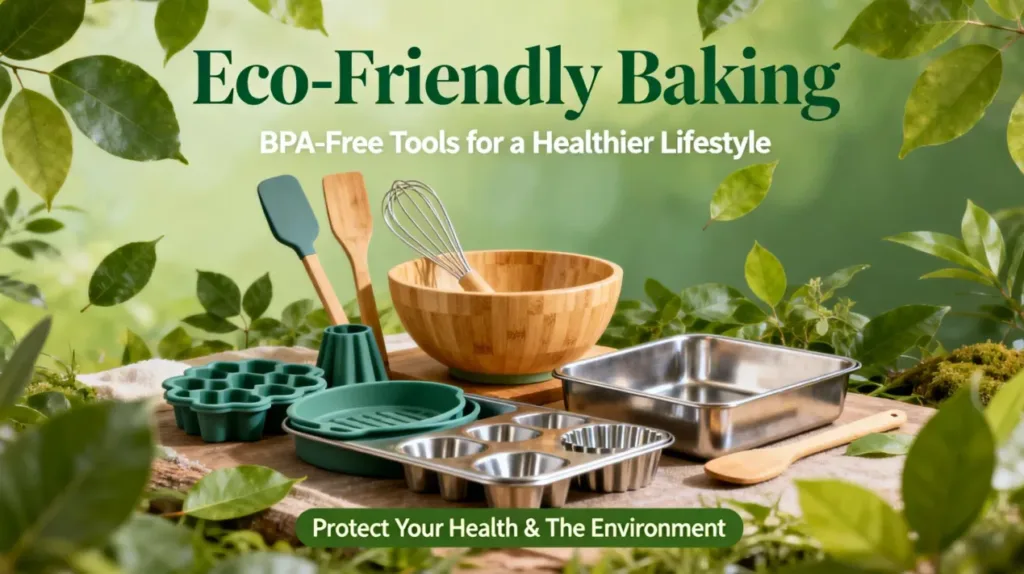
The Benefits of Switching to a BPA-Free Kitchen
Using BPA free baking tools has many advantages. These benefits impact your health, your cooking, and the planet.
1.Health Safety
The most important benefit is better health. By eliminating BPA, you reduce your exposure to a harmful chemical. This lowers the risk of associated health issues. You can have peace of mind knowing your food is safe. This is especially important for families with young children.
2.Better Food Quality
Safe bakeware can also improve your food. Materials like cast iron and ceramic heat evenly. This means your food bakes consistently. You avoid burnt edges or undercooked centers. The natural non-stick properties of some materials also mean you need less oil or butter. This can lead to healthier meals.
3.Durability and Longevity
Many BPA-free materials are very durable. Cast iron and stainless steel can last for decades. Glass and ceramic are also long-lasting if handled with care. Investing in quality bakeware means you will not have to replace it often. This saves money over time.
4.Eco-Friendliness
Choosing sustainable materials is good for the environment. Glass and stainless steel are recyclable. Cast iron is incredibly durable, reducing waste. By choosing long-lasting, BPA free baking tools, you create less trash. You are making a choice that helps protect the planet.
Embracing a Healthier Way of Baking
Baking should be a source of joy, not worry. By choosing BPA free baking tools, you can focus on the fun part—creating delicious food. The switch to safer bakeware is simple. Start by checking the materials of your current pans and tools. Replace any items that are old or damaged with safer alternatives. Look for bakeware made from glass, ceramic, cast iron, or food-grade stainless steel. Choose utensils made from silicone or stainless steel. Always read labels to ensure they are free from BPA and other toxins.
Making these changes is a positive step for your health and the environment. Your kitchen will be a safer place for you and your family. You will enjoy better tasting food and reduce your environmental impact. Healthy baking is within your reach. Begin your journey to a non-toxic kitchen today. Please contact us if you need anything. Also you can know more about Leeyuen Kitchenware.