In today’s health-conscious world, more people are paying attention to what goes into their food and how it is prepared. A growing concern is the presence of harmful chemicals in kitchen appliances and tools. Bisphenol A, commonly known as BPA, is one such chemical that might be hiding in your kitchen. This guide will help you understand the risks of BPA and how to choose safer BPA-free kitchen equipment for your home.
What is BPA and Why Should You Care?
BPA is an industrial chemical used since the 1950s to make certain types of plastics and resins. You can find it in polycarbonate plastics and epoxy resins. These materials are common in many products, including food storage containers, water bottles, and kitchen appliances. Manufacturers use BPA because it creates durable, heat-resistant plastics. This makes it seem ideal for appliance parts that get hot, like blender jars, coffee maker reservoirs, and slow cooker inserts.
The problem with BPA is that it can leach into your food and drinks. This happens especially when the plastic is heated. For example, if you make hot soup in a plastic blender or use a coffee maker with a BPA-lined water tank, some of the chemical can end up in your food. Once inside your body, BPA acts as an endocrine disruptor. This means it can interfere with your body’s hormones. Studies have linked BPA exposure to several health issues. These include hormonal imbalances, reproductive problems, an increased risk of certain cancers, and developmental effects in children. Health authorities like Health Canada recommend minimizing exposure as a precaution. This is especially important for infants, children, and pregnant women.
Kitchen Appliances That May Contain BPA
It is surprising how many common kitchen appliances have plastic parts that touch food. When heated, these parts can leach chemicals. Being aware of which appliances are often culprits is the first step toward making safer choices.
Here are some common kitchen items that may contain BPA:
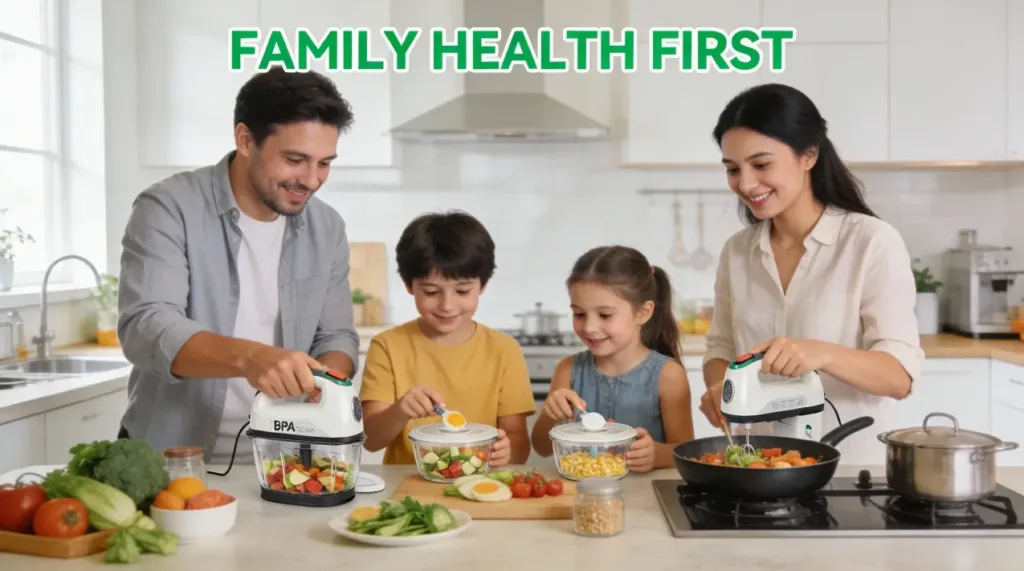
1. Blenders and Food Processors: The jars, lids, and even blades are often made from plastic. When blending hot soups or smoothies, BPA can leach into your food .
2. Coffee Makers: The internal water reservoir and tubing are frequent sources of BPA. Hot water passing through these parts can transfer the chemical into your coffee .
3. Slow Cookers and Rice Cookers: Pay attention to the interior pots, lids, and handles. Many are made with plastics that may contain BPA.
4. Toasters and Toaster Ovens: Small parts like plastic buttons and crumb trays can be made with BPA-containing plastics .
5. Plastic Food Storage Containers: Many microwavable containers are made with plastics that can contain BPA .
Identifying Safe BPA-Free Kitchen Equipment
The good news is that avoiding BPA in the kitchen is becoming easier. Many manufacturers now offer products clearly labeled as BPA-free. Here are the key factors to consider when choosing safe kitchen equipment.
1.Look for BPA-Free Labels and Certifications
The simplest way to find safe products is to look for a “BPA-free” label on packaging or product listings. Many reputable brands now clearly mark their products . You can also check for certifications from reputable organizations. These include NSF International, UL Environment, and GreenGuard. These certifications mean the product has been tested and meets strict safety standards . For items that contact food, ensuring they meet FDA food safety standards is also a good practice .
2.Choose the Right Materials
The materials used in your kitchen tools are very important. Some materials are naturally safer and do not leach harmful chemicals.
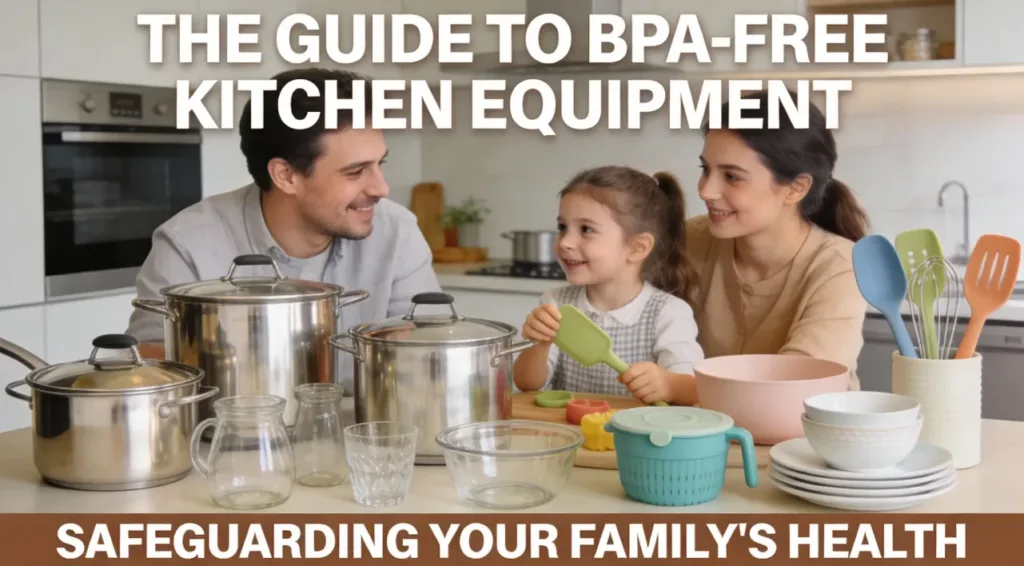
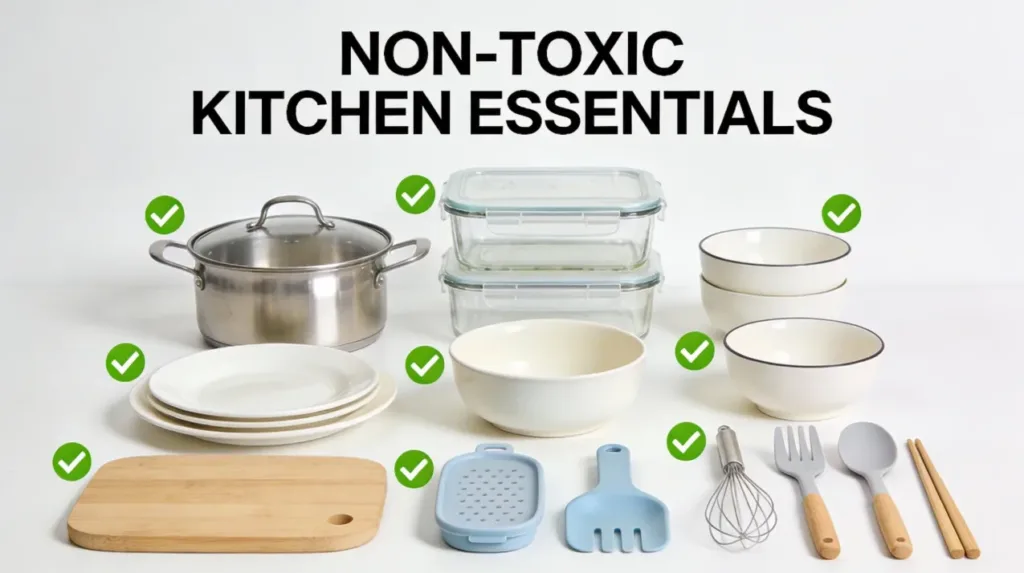
(1)Stainless Steel: This is one of the safest materials for non-toxic kitchen appliances. It is chemically inert, meaning it does not react with food or leach chemicals. It is safe for both hot and cold ingredients. Choose 18/10 grade stainless steel for the highest quality and safety standards.
(2)Glass: Glass is another excellent, inert material. It does not absorb bacteria or hold onto odors. Borosilicate glass is a top choice. The FDA recommends it for its ability to withstand rapid temperature changes and resist chemicals. It is ideal for coffee makers and food storage containers.
(3)BPA-Free Plastics: If you need to use plastic, look for safer alternatives like Tritan plastic. This material is certified by food safety agencies to be free of BPA and other harmful chemicals. It is known for its durability and resistance to stains and odors . Brands like Cuisinart now produce food processors with BPA-free parts.
(4)Silicone: High-quality, food-grade silicone is generally considered a safe option. It is heat-resistant and does not contain BPA. However, it is important to ensure the silicone is platinum-grade or FDA-certified to avoid products with plastic fillers.
(5)Ceramic and Enamel Coatings: These are often used as safe non-stick alternatives to traditional Teflon coatings, which can contain harmful PFAS chemicals. Look for coatings that are free from PFAS, PFOA, lead, and cadmium.
3.Trustworthy Brands for BPA-Free Kitchen Equipment
Many brands have committed to producing safer kitchen products. Supporting these brands helps you build a healthier kitchen. Here are some brands known for their non-toxic appliances:
(1)Aarke: Makes kettles and coffee makers from stainless steel and glass.
(2)Cuisinart: Offers a range of BPA-free food processors and other kitchen appliances.
(3)Breville: Known for appliances like the Smart Oven, which use safer materials.
(4)Vitamix: Their blenders use BPA-free Tritan plastic jars and stainless steel containers.
(5)GreenPan: Produces cookware and appliances with ceramic-based coatings free from PFAS, PFOA, lead, and cadmium.
(6)OXO: Their Good Grips line offers utensils made from BPA-free silicone and stainless steel.
Benefits of Choosing BPA-Free Kitchen Equipment
Switching to BPA-free kitchen equipment offers several important benefits for you and your family. The main benefit is protecting your health. By eliminating BPA from your kitchen, you reduce your exposure to a known endocrine disruptor. This helps lower the risk of associated health problems. It gives you peace of mind when preparing food for your family. BPA-free products are often more environmentally friendly. BPA can pollute ecosystems when it enters the environment as plastic waste. Choosing BPA-free options supports a healthier planet. Many manufacturers who avoid BPA also adopt other sustainable practices. Furthermore, kitchen appliances made without BPA are often built to higher safety and quality standards. They tend to be more durable and last longer. This means you will not need to replace them as often, which is better for your wallet and the environment .
Maintaining Your BPA-Free Kitchen Equipment
Proper care will help your appliances stay safe and last longer. Always follow the manufacturer’s cleaning guidelines. Most BPA-free plastic parts are dishwasher safe. For materials like stainless steel and glass, handwashing with mild soap is often best. Avoid using abrasive scrubbers that can scratch surfaces. Handle your equipment with care. Do not use metal utensils on non-stick ceramic coatings or plastic parts, as this can cause damage. When assembling appliances, make sure parts click into place without forcing them. Store your kitchen tools in a dry place away from direct sunlight. This protects the materials from degrading over time. Regularly check your appliances for signs of wear, such as cracks or deep scratches. If you find damage, replace the parts to maintain safety and functionality. Choosing BPA-free kitchen equipment is a proactive step toward a healthier home. It is not about fear, but about making informed choices. With a little research and attention to labels, you can significantly reduce your family’s exposure to harmful chemicals.
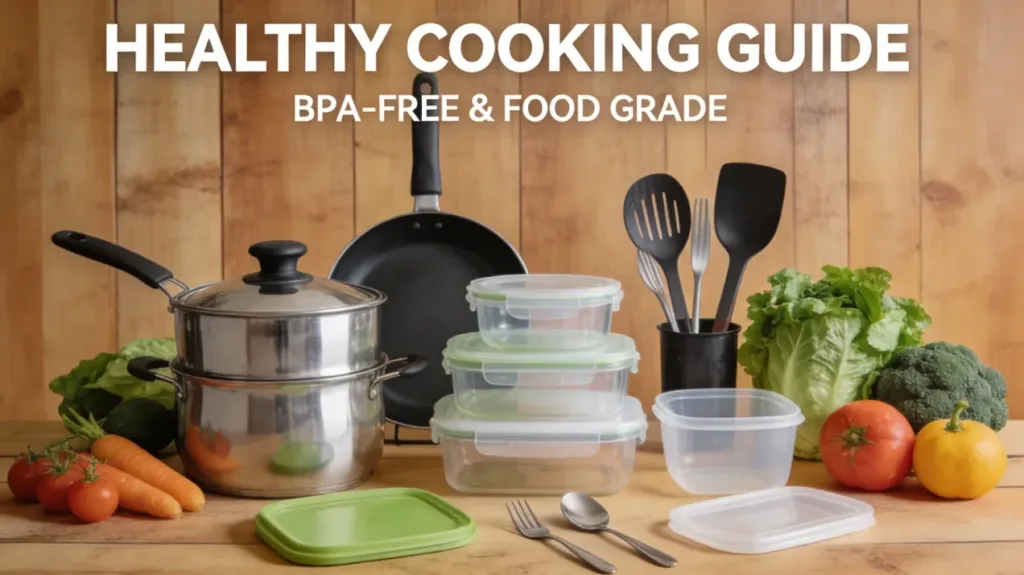
Start by looking at the appliances you use most often. Check their materials and look for BPA-free labels. When you need to replace an item, choose one made from safer materials like stainless steel, glass, or certified BPA-free plastics. Small changes can make a big difference in creating a kitchen that is both safe and enjoyable to use. Your family’s health is important. It starts right at home, with one appliance at a time. Please contact us if you need anything. Also you can know more about Leeyuen Kitchenware.