Nowadays, the “BPA Free” label is commonly seen on various products, especially in kitchenware. But what does this term really mean? Why should you care? The growing awareness of chemical safety in household products has made “BPA Free” an important consideration for consumers. This label represents a commitment to health and safety that many manufacturers now emphasize. Understanding what this means requires looking at the science behind BPA and why it has become a concern for families worldwide. We will also introduce how companies like Leeyuen Kitchenware create safer kitchen tools without BPA.
What is BPA?
BPA stands for Bisphenol A. This is an industrial chemical used since the 1950s. It is mainly used to make certain types of plastics and resins. You can find BPA in a material called polycarbonate plastic. This plastic is common in water bottles, food containers, and even baby bottles. BPA is also in epoxy resins. These resins often coat the inside of metal cans and bottle tops. The problem starts when BPA moves from the container into the food or drink inside. This happens especially when the container is heated. BPA’s chemical structure makes it particularly useful for creating clear, hard plastics that are resistant to impact and heat. These properties made it popular for various consumer goods. However, these same properties contribute to why it can be a health concern when it leaches into food and beverages.
The Health Concerns of BPA
Research shows that BPA can affect our health. It is called as an endocrine disruptor. This means it can interfere with the body’s hormone system. The structure of BPA is similar to the hormone estrogen. When it enters the body, it can mimic estrogen. This can disrupt the delicate balance of the endocrine system. Studies suggest this may have various health effects:
1. Impact on Development:
Fetuses, infants, and children are especially vulnerable. BPA may affect the brain and prostate gland. It could also influence children’s behavior.
2. Potential Links to Chronic Diseases:
Some research points to a possible connection between BPA exposure and increased risks of high blood pressure, type 2 diabetes, and cardiovascular disease.
3. Reproductive Health Concerns:
Some studies suggest BPA might impact reproductive health, though more research is needed in this area.
4. Other Concerns:
Animal and some human studies have raised concerns about effects on the immune system and metabolic functions.
It is important to note that regulatory bodies like the U.S. Food and Drug Administration (FDA) have stated that BPA is safe at the very low levels that typically occur in some foods. However, they continue to monitor ongoing research. The scientific community continues to study the long-term effects of BPA exposure, particularly low-dose exposure over extended periods. Due to public concern, many countries have taken action. Over 60 nations, including China, have introduced regulations to limit the use of BPA in certain products, especially eyeglasses, kitchen utensils, and plastic water bottles. Many countries have restricted or banned BPA in baby bottles and other children’s products.
What Does “BPA Free” Really Mean?
When a product is labeled “BPA Free”, it means the product was made without using BPA. This label has become a significant selling point for many kitchen items, from food containers to utensils. However, it is crucial to understand that “BPA Free” is not always a strictly official or universally standardized certification. While some companies may have their products tested by third-party labs, the term itself is largely a marketing and labeling declaration. Consumers are generally advised to look for the “BPA Free” label on products like water bottles and food containers. The term has gained importance as awareness of BPA’s potential health effects has grown. Many manufacturers now prominently display this label to reassure consumers about their product’s safety. But it’s important to look beyond the label and understand what materials are used instead of BPA.
Are BPA-Free Plastics Always Safe?
This is a critical question. A “BPA Free” label only guarantees the absence of that one specific chemical. It does not automatically mean the product is 100% safe or free from all other potentially harmful substances. Sometimes, manufacturers replace BPA with other similar chemicals, like Bisphenol S (BPS). Early research suggests that some of these substitutes may have health effects similar to BPA. This situation is often called “regrettable substitution”, namely replaced one problem chemical with another that may be just as problematic, but less understood. Therefore, the “BPA Free” label should be seen as a first step, not a guarantee of total safety. Consumers should think about the entire material and its overall safety profile. The migration of chemicals from packaging to food depends on several factors, including temperature, the type of food (especially acidic or fatty foods), and the age and condition of the container.
How to Identify and Choose Truly Safer Products
1. Read Labels Carefully:
Look for the “BPA Free” label on products. This is the most straightforward first step. However, remember that this is just a starting point for evaluation.
2. Check Plastic Codes:
Look at the recycling triangle on plastic products, usually on the bottom. Codes 3 or 7 may indicate the presence of BPA, though this is not always true. Code 7, in particular, is often used for polycarbonate plastics which traditionally contained BPA.
3. Choose Trusted Materials:
(1) Glass: An excellent choice as it is inert and does not leach chemicals into food. It is safe for heating and does not retain stains or odors.
(2) Stainless Steel: High-quality stainless steel is durable and non-reactive. It is a great option for water bottles and food containers.
(3) Certified Safe Plastics: Some plastics are generally considered safer. Look for materials like polypropylene (PP, code 5) or newer materials like Tritan, which are designed to be BPA-free alternatives.
4. Use Products Correctly:
(1) Avoid Heat: Do not microwave plastic food containers or put them in the dishwasher. Heat can break down the plastic and increase the chance of chemicals leaching into your food.
(2) Avoid Scratches: Do not use abrasive cleaners on plastic containers, as scratches can make it easier for chemicals to leach out.
(3) Replace Old Containers: Over time, plastic degrades. Replace plastic containers that show signs of wear, such as cloudiness or scratches.
5. Look for Certifications:
In addition to the “BPA Free” claim, look for products that comply with national safety standards. In China, for example, you can check if a product meets the GB 4806.7 national food safety standard for food contact plastics. International certifications like FDA, LFGB, or ROHS can also provide additional reassurance.
BPA Free in Kitchen: Closer Look at Cookware and Utensils
The kitchen is a primary place where we use products that contact our food. Choosing safer cookware and utensils is vital for health since chemicals can migrate from these items into food, especially during cooking when heat is involved.
1. Safer Cookware Options
(1) Borosilicate Glass: This is a very safe type of glass. However, kitchen tools are equally important. Heat can accelerate the migration of chemicals from plastic to food.
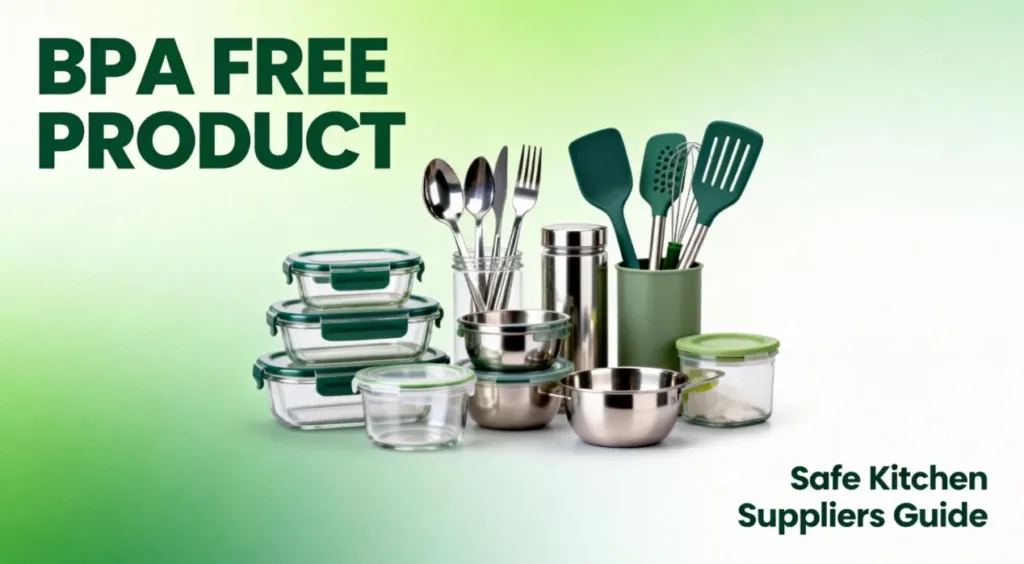
(2) Stainless Steel: High-quality stainless steel is a great choice for pots, pans, and kitchen tools. It is durable, non-reactive, and does not leach chemicals. Many kitchen utensil sets combine stainless steel handles with BPA-free silicone heads, offering a safe and durable option.
(3) Silicone Kitchen Utensils: Food-grade silicone is another safe material when it is high-quality. A kitchen utensil set labeled 100% BPA-free and made from food-grade silicone is heat-resistant and non-toxic. It should not leach chemicals during cooking and is gentle on cookware. Proper food-grade silicone can withstand a wide temperature range, making it versatile for various cooking needs.
2. What to Generally Avoid?
Be cautious with traditional non-stick cookware coatings, which can contain other potentially harmful chemicals like PFOA and PFAS. These coatings can break down at high temperatures. Damaged non-stick coatings can release particles and chemicals into your food. It is better to choose cookware with safe, non-reactive surfaces like well-seasoned cast iron, ceramic, or high-quality stainless steel.
The Importance of BPA-Free Kitchen Tools
When we think about BPA exposure, we often focus on food containers and water bottles. However, kitchen tools are equally important. Spatulas, ladles, spoons, and other utensils come into direct contact with food, often at high temperatures during cooking. Heat can accelerate the migration of chemicals from plastics to food. This means that a plastic spoon stirring a hot soup could potentially leach more chemicals than a water bottle stored at room temperature. This makes choosing BPA-free utensils particularly important for your family’s health. Quality kitchen utensils made from safe materials like stainless steel or food-grade silicone not only prevent chemical exposure but are also more durable. They represent a better long-term investment for your kitchen.
Reliable Manufacturers: Leeyuen Kitchenware
In response to consumer health concerns, responsible kitchenware companies are leading the way in providing safer products. Leeyuen Kitchenware is an example of a brand that prioritizes health and safety through its commitment to BPA-free products. Leeyuen Kitchenware understands that your health is important. The company is committed to using non-toxic, high-quality materials. All the kitchen equipment are made from 100% BPA-free materials, ensuring that health risks are minimized during food preparation and cooking. Beyond being BPA-free, the company focuses on durability and longevity. Their products are built to last, which is not only economical for consumers but also better for the environment, as it reduces waste. Furthermore, the design of their products often considers ease of cleaning, with many items being dishwasher safe, which promotes good kitchen hygiene. By choosing brands like Leeyuen Kitchenware that are transparent about their materials and committed to safety, consumers can make a positive choice for their family’s health. These companies often subject their products to rigorous testing to ensure they meet safety standards, providing additional peace of mind for consumers.
Global Perspectives on BPA Regulation
Different countries have taken different approaches to regulating BPA. Your kitchen should be a healthy and happy place. China has also taken major steps to regulate BPA. Protect your health and contribute to a more sustainable lifestyle. Choose high-quality products. Similarly, the U.S. FDA has banned the use of BPA in baby bottles. Understanding what BPA and “BPA-free” means is an important step towards a healthier life. In 2011, the country added BPA to the list of restricted substances for food contact materials. The European Union has implemented strict regulations on the use of BPA in food contact materials. and sippy cups while continuing to evaluate their safety in other applications. Choosing the right tool is a fundamental part of this. These regulatory differences can sometimes lead to confusion among consumers. Beyond labels. This means products manufactured domestically or imported. It works best when combined with other smart consumer habits. China must comply with specific safety standards on BPA content. Exposure to food, especially food used by vulnerable groups such as children and pregnant women. However, the overall global trend is restrictions on Bisphenol A (BPA) in products. Priority is given to materials such as glass, stainless steel and certified safe plastics. Although the “BPA Free” label is a useful guide, Brands such as Leeyuen Kitchenware have demonstrated the possibility of combining safety, durability and good design. Use all products correctly to minimize any potential risks. By making careful, informed choices, you can take important steps. When selecting kitchen products, consider the entire life cycle of the items you bring into your home. Please feel free to contact us if you need anything.