The European Union has made new rules about BPA in food contact materials. These BPA free regulations are important for anyone who buys or uses cookware. This article explains what these rules mean for your daily life. You will learn how to choose safe pots, pans, and kitchen items.
BPA stands for bisphenol A. It is a chemical used to make certain plastics and resins. For many years, manufacturers used BPA in food packaging, water bottles, and cookware coatings. But scientists have found that BPA can harm human health. It can get into your food and drinks. The EU has now decided to ban it in many products. Understanding these BPA free rules helps you protect your family.
What is BPA and Why is it Harmful?
BPA is a synthetic chemical. It is often found in polycarbonate plastics and epoxy resins. Polycarbonate plastics are used for food containers. Epoxy resins are used to coat the inside of metal cans and other cookware. These coatings prevent corrosion. But they can also leach chemicals into food.
Scientific studies show that BPA is an endocrine disruptor. This means it can interfere with your body’s hormones. Even very small amounts can cause problems. Health issues linked to BPA include reproductive problems, developmental issues in children, and an increased risk of some cancers. It can also affect the immune system. Because of these risks, BPA free policies are becoming stricter around the world .
The European Food Safety Authority (EFSA) did a big risk assessment. They found that most people in Europe have BPA in their bodies. The levels were higher than what is considered safe. This was a key reason for the new BPA free legislation .
The EU’s New BPA Ban: A Detailed Look
The main new rule is called Regulation (EU) 2024/3190. It bans the use of BPA in food contact materials. This ban started on January 20, 2025. It is a big part of the EU’s BPA free regulations.
1. What does the ban include?
The ban is very broad. It stops BPA from being used in many materials.
(1)Materials it covers: adhesives, rubber, ion exchange resins, plastics, printing inks, silicone, and varnishes or coatings.
(2)Products it covers: This includes metal cans with coatings, reusable plastic bottles, water coolers, and many kitchen utensils .
The rule also bans other harmful bisphenols. This includes chemicals like BPS (bisphenol S) and BPF (bisphenol F). These were often used as substitutes for BPA. But they can be just as harmful. The new BPA free laws make sure that unsafe replacements are also banned .
2. Transition Periods
Companies have some time to adapt. This is called a transition period.
(1)For most products, the transition period lasts until July 2026.
(2)For some special items, like professional food equipment, the deadline is extended to 2028 .
This means you might still see some non-compliant products in stores for a short while. But manufacturers are working quickly to change their recipes.
What This Means for Your Cookware Choices
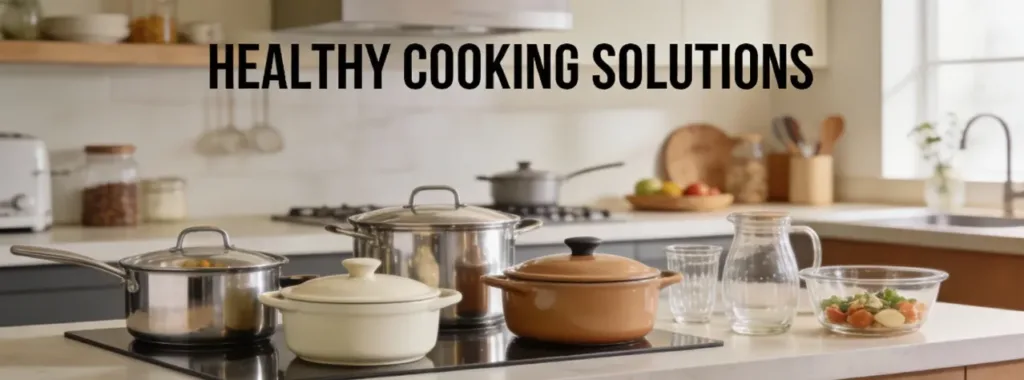
The new BPA free regulations change the cookware market in Europe. They make it safer for consumers. Here is what you need to know when you shop.
1. Safer Products on the Shelves
The main goal of the BPA free laws is to protect people. After the transition periods, all new cookware sold in the EU should be free from BPA and other harmful bisphenols. You can be more confident that the products you buy are safe. This is a direct result of the BPA free policies .
2. Importance of Checking Labels
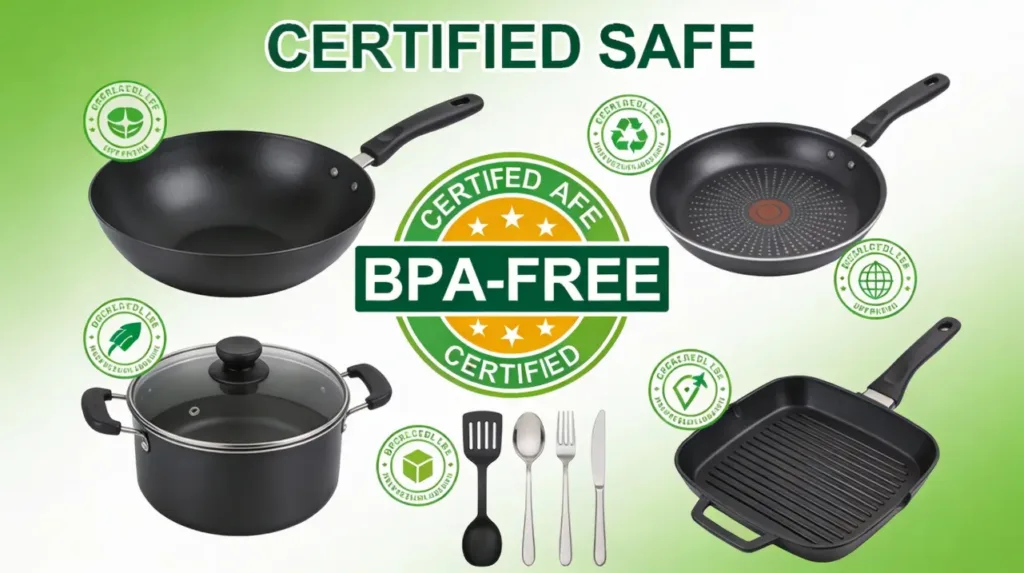
You must still be a careful shopper. Look for clear labels. A product might say “BPA Free.” But now, because of the new BPA free regulations, you should also check for “PFAS Free” or “No Toxic Bisphenols.” Do not trust vague terms like “eco-friendly” without proof. Look for certifications from trusted groups .
3. Understanding Different Materials
The ban affects many types of cookware. It is helpful to know which materials are safe.
(1)Plastic Utensils and Containers: Many plastic items contained BPA. Now, they must be made without it. Safer alternatives include polypropylene or polyethylene. But be careful. Do not use plastic cookware for hot food. Heat can cause other chemicals to leach out.
(2)Non-Stick Pans: These often have a coating. Many old non-stick coatings used PFAS (another group of harmful chemicals). Some also used bisphenols. The new BPA free rules, along with other laws, are pushing makers to create safer non-stick surfaces. Look for pans labeled as free from both PFAS and BPA .
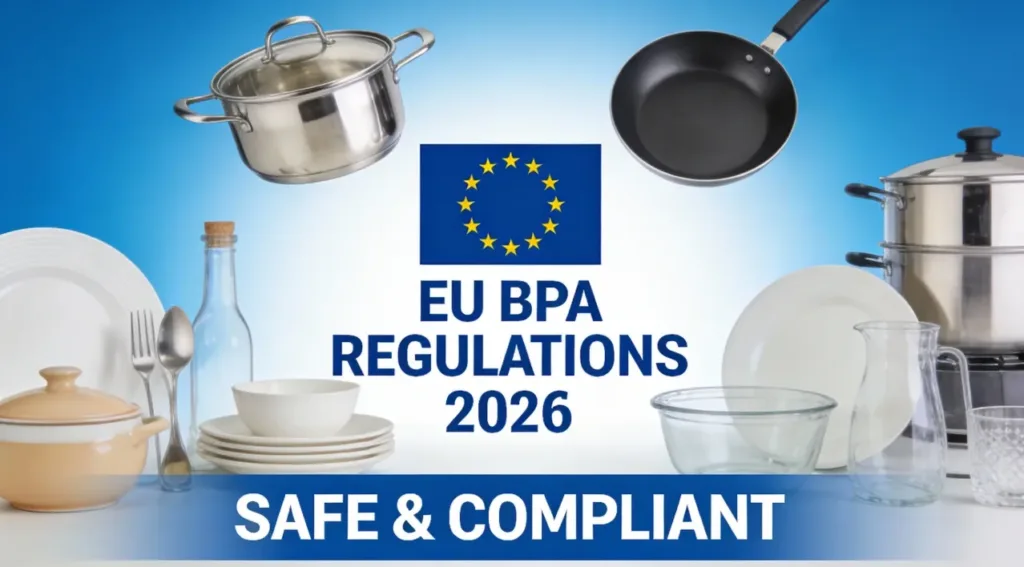
(3)Metal Cookware (Pots, Pans): Stainless steel is a very safe choice. It does not need BPA or PFAS coatings. It is durable and non-reactive. The new BPA free legislation makes stainless steel an even better option .
(4)Silicone Products: Food-grade silicone is generally safe. It does not contain BPA. It is heat-resistant. It is a good choice for baking mats and utensils .
(5)Glass and Ceramic: These are excellent materials. They are naturally free from BPA. They are safe for heating food. They are a good choice for baking dishes and storage containers .
4. The Global Impact
The EU’s BPA free regulations are very strict. They often set a standard for the whole world. Many countries look at EU laws and then make similar rules. For example, the US has its own BPA free policies for baby bottles. Some US states, like California, have strict labeling laws. India and Australia are also looking at stronger BPA free laws. This means that the EU ban will likely improve product safety in many places.
Beyond BPA: Other Chemicals to Avoid
Smart consumers know that BPA is not the only concern. The EU is also taking action on other chemicals. When you look for cookware, think about these too.
1. PFAS (Per- and polyfluoroalkyl substances): These are “forever chemicals.” They are used in non-stick coatings and greaseproof paper. They are linked to health problems. The EU’s Packaging and Packaging Waste Regulation (PPWR) will ban PFAS in single-use food packaging from August 2026 .
2. Phthalates: These are used to make plastics soft. They are also endocrine disruptors.
3. Lead and Cadmium: These heavy metals can be found in old ceramic glazes. They are toxic .
The new BPA free legislation is part of a bigger movement. The goal is to make all food contact materials safer. The new EU BPA free regulations are a positive step for public health. They mean that cookware sold in Europe will be safer. But you need to make smart choices. The EU’s BPA free laws protect your health. They push companies to make safer products. By understanding these rules, you can make better choices for your kitchen and your family. Please contact us if you need anything. Also you can know more about Leeyuen Kitchenware.